
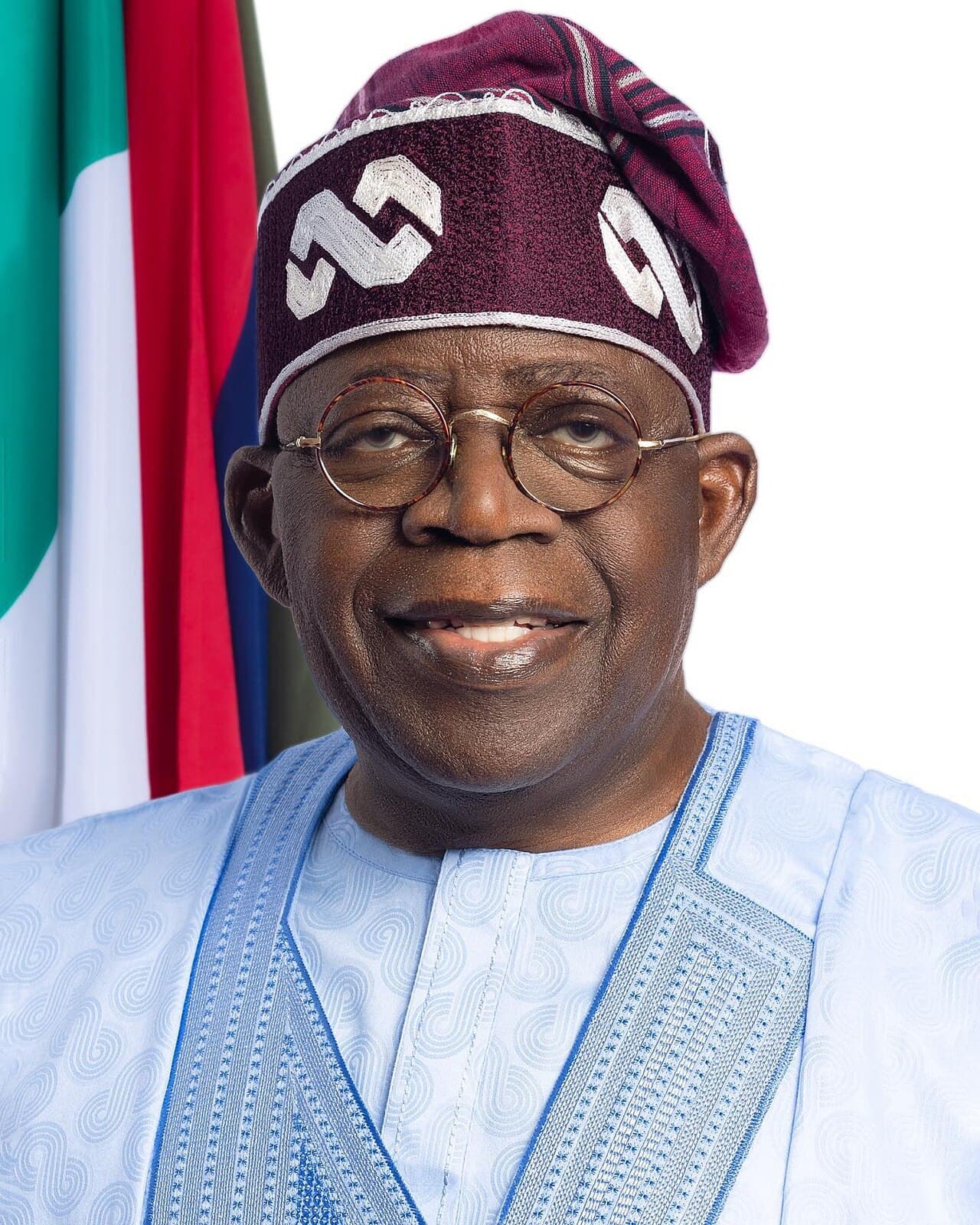
Folashade Tinubu, daughter of Nigeria's incoming president, threatens to protest the very election that could make him leader - a stunning twist in Lagos's political drama.
Context
In the complex tapestry of Nigerian politics, the recent All Progressives Congress (APC) primary elections in Lagos State have become a stage for unexpected turns. As Nigeria prepares to witness another presidential handover under the leadership of Bola Tinubu, his daughter's decision to potentially protest against her father's faction within the APC highlights the intricate dynamics at play.
Facts
Folashade Tinubu-Ojo, holding the titles of Iyaloja-General of Nigeria and daughter to President-Elect Bola Tinubu, has publicly threatened to organize a protest against the conduct of the APC primaries in Lagos State. This move comes as the Conference of Nigerian Political Parties (CNPP) openly criticizes the current administration's actions.
Human Impact
The potential protest by Folashade Tinubu-Ojo not only reflects personal discontent but also mirrors broader concerns within Nigerian society. The CNPP's criticism of the APC administration suggests that these issues resonate across political divides, affecting a wide range of citizens who are keenly observing how their country is governed.
Analysis
Tinubu's daughter's threat to protest, coupled with the CNPP's criticism, reveals deeper fractures within Nigeria's political landscape. This episode underscores the complexities of navigating familial roles in high-stakes politics and highlights how criticisms from established entities like the CNPP can amplify public discontent.
Counterpoints
While some may argue that Folashade Tinubu-Ojo's stance is rooted in personal grievances, others could see this as a strategic move to draw attention to broader issues within Nigerian politics. The CNPP's position might be interpreted by some as purely critical or by others as reflecting genuine concerns about the governance of Nigeria.
What Happens Next
Looking ahead, the potential protest and ongoing criticism could signal a period of increased scrutiny for Nigeria's political landscape. As Nigeria moves closer to another presidential transition, these events may foreshadow further discussions about governance, transparency, and the expectations from citizens.
Takeaway
The decision of Folashade Tinubu-Ojo, along with the CNPP's stance, reminds us that Nigerian politics is far from static. These actions underscore the importance of diverse voices within political discourse, highlighting how even personal expressions can echo through the corridors of power.