
In a continent where empowering women can boost sustainable development by 25%, Africa's relentless struggle for gender equality faces an uphill battle against entrenched inequalities and outdated laws.
Context
The fight for gender equality in Africa is rooted in a complex interplay of historical, social, and legal factors. Colonial-era laws still govern family life in many countries, while traditional cultural practices perpetuate inequalities.
Facts
Societies that empower women benefit from higher levels of education, reduced poverty, stronger governance, and more inclusive economic growth. Achieving gender equality is essential for Africa's pursuit of sustainable development.
Human Impact
For women like Mira in Niger, gender inequality means limited access to healthcare, education, and economic opportunities. Her daughter's dreams of becoming a doctor are hindered by the same barriers she faces.
Analysis
The lack of gender equality in Africa is not just a social issue but also an economic one. Empowering women leads to more inclusive growth, as seen in countries like Rwanda and Botswana, where women's participation in politics has increased.
Counterpoints

Some conservative factions argue that gender equality goes against traditional values. However, these views are increasingly outpaced by the majority's understanding that empowering women benefits everyone.
What Happens Next

The coming years will see continued advocacy for gender equality in Africa. Landmark legal cases, policy changes, and grassroots movements are paving the way for a new era of equity.
Takeaway
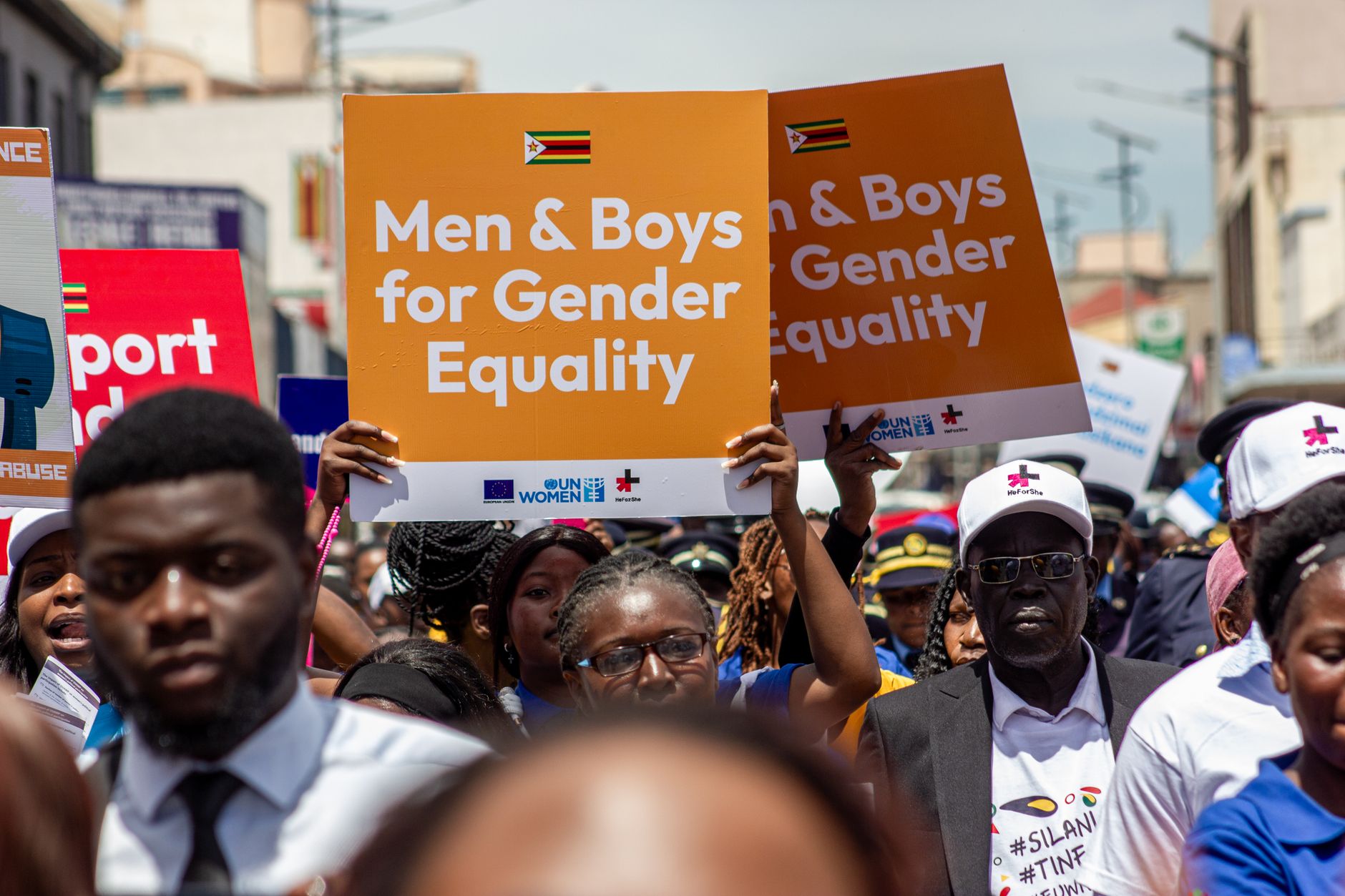
The most important takeaway is that gender equality is not just a moral issue but also an essential ingredient for Africa's development. Investing in women's education and economic participation can yield significant returns.