
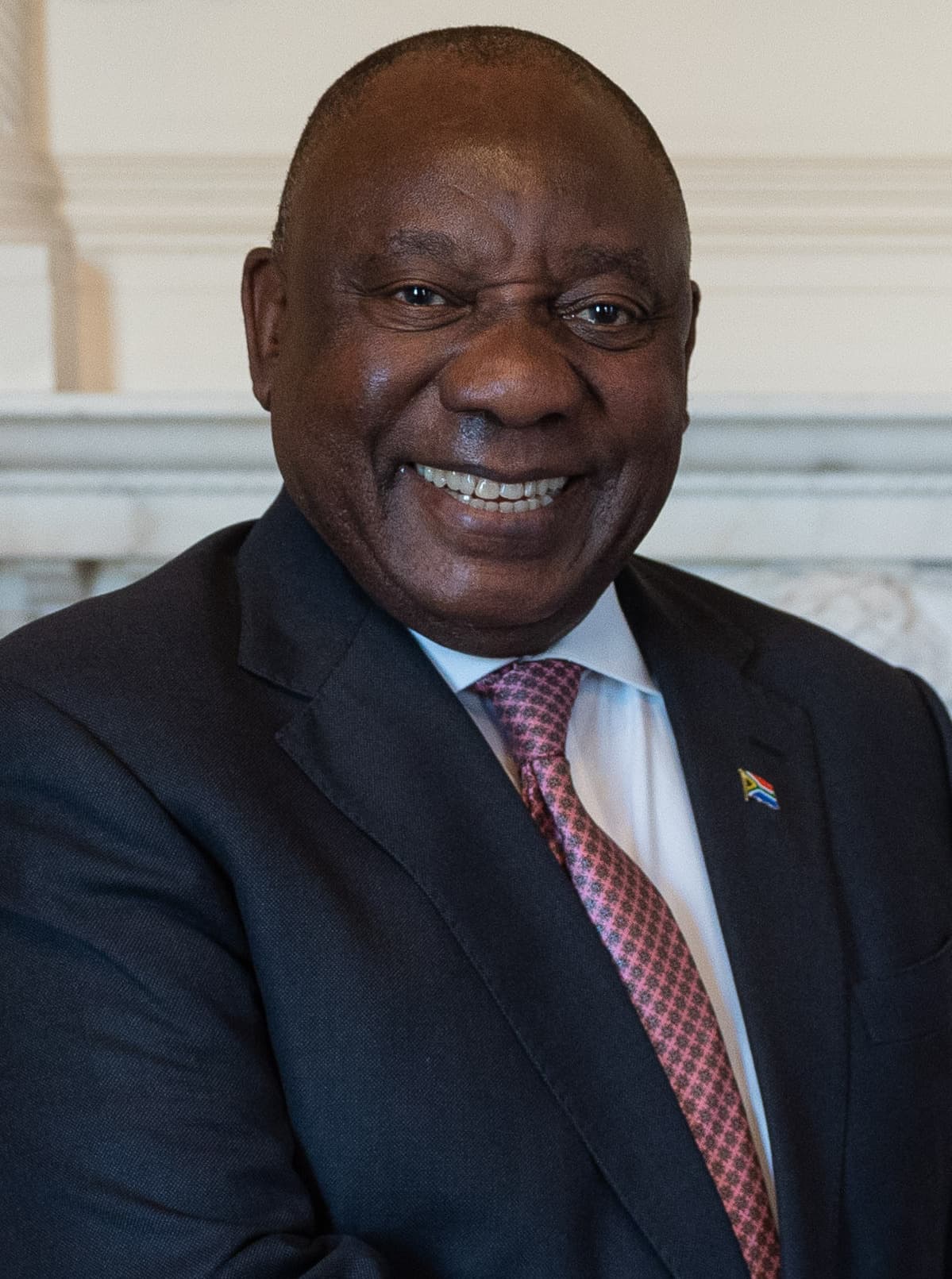
Ramaphosa is not just targeting illegal migration—he says xenophobic violence in South Africa is being exploited for political, personal and criminal gain. That framing matters because this is no longer only a domestic law-and-order story. After attacks on South Africans in Mozambique and rising anti-foreigner protests inside South Africa, the crisis has spilled into diplomacy, security, and the fragile idea of African solidarity itself.
Context
This moment sits at the intersection of two pressures that South Africa has struggled to manage at the same time: public anger over illegal migration and recurring violence directed at foreign nationals. In the source reporting, President Cyril Ramaphosa addresses both together, but he is careful to separate migration enforcement from mob action. That distinction is central, because once anti-foreigner protests become attacks, the issue stops being only about immigration policy and becomes a question of public safety, constitutional order, and South Africa’s standing on the continent.
Why now? The research context points to rising tensions around anti-foreigner protests, marches, and attacks, alongside fallout beyond South Africa’s borders. One source says South Africans were attacked in Mozambique. Other source snippets say the unrest prompted concern in several African states and led Ramaphosa to plan special envoys to a number of African countries. That means the pressure on Pretoria is coming from two directions at once: from communities demanding tougher controls on illegal migration, and from African partners alarmed by xenophobic violence and its diplomatic consequences.
The broader system behind this is political as much as administrative. Ramaphosa himself said some actors were exploiting concerns about illegal immigration for political, personal, or criminal interests. That suggests the state is not only responding to border management failures, but also to organised opportunism around public fear. In other words, the crisis is being shaped by who can mobilise anger, who benefits from disorder, and whether the government can enforce immigration law without legitimising xenophobia.
Facts
Here is what is verified from the source material. President Cyril Ramaphosa said South Africa would crack down on groups behind xenophobic violence. That is reported across the source references tied to his public remarks.
Ramaphosa also announced new measures to crack down on illegal migration. According to the verified facts and supporting coverage, he linked that policy response directly to rising tensions over anti-foreigner protests, marches, or attacks in a televised national address. That means the government is presenting immigration enforcement and anti-violence action as parallel tracks, not interchangeable ones.
BusinessDay reported specific enforcement measures: the government would increase workplace inspectors and strengthen border security as part of its crackdown on illegal migration. Those are concrete administrative signals, because they move the response from rhetoric into labour enforcement and border management.
Another verified point is diplomatic. One source says Ramaphosa announced that South Africa would send special envoys to a number of African countries after growing concern over anti-foreigner protests and their impact. The research context separately notes concern in several African states, which supports the argument that this unrest is affecting regional relationships, not just domestic politics.
One more important claim comes directly from Ramaphosa’s framing of the crisis. He said some actors were exploiting concerns about illegal immigration for political, personal, or criminal interests. That is an official claim, not an independently proven legal finding in the material provided. But it is politically significant because it identifies a target beyond undocumented migration itself: networks or groups that may be using the issue to build influence, profit, or impunity.
Human Impact
The people carrying the cost are not abstract categories like 'migrants' or 'citizens'. They are workers facing inspections, families worried about retaliation, and communities living with the fear that a protest can become a hunt for outsiders. The research context makes clear that South Africans in Mozambique were attacked. That alone shows how fast xenophobic unrest can trigger reciprocal violence, putting ordinary people at risk far from the political speeches that shape the crisis.
Inside South Africa, foreign nationals are the most immediate targets when marches and protests turn hostile. But South African workers and businesses are also drawn into the fallout. If the government increases workplace inspections, employers and employees alike will face tighter scrutiny. If border security hardens, movement becomes more difficult for people whose livelihoods depend on crossing, hiring, transporting, or trading legally.
There is also a dignity cost. When Ramaphosa says some actors are exploiting illegal immigration for political, personal, or criminal interests, he is acknowledging that real public anxiety can be manipulated into collective punishment. The human consequence is a social climate in which belonging becomes negotiable and entire communities can be treated as suspects before any official process begins.
Analysis
The clearest meaning of Ramaphosa’s announcement is that Pretoria is trying to reclaim control of the narrative before vigilante politics defines it. The established fact is that he promised a crackdown on xenophobic groups and tougher action on illegal migration. The interpretation is that he is attempting a dual message: reassure South Africans who want immigration enforcement, while warning that violence carried out in that name will not be tolerated.
Who benefits if this works? The South African state does, because it reasserts that only lawful institutions can police borders, workplaces, and public order. African diplomatic relationships could also benefit if the promised envoys calm fears in other countries and signal that Pretoria understands the continental damage xenophobic unrest causes.
Who loses? First, any group that uses anti-foreigner anger as a recruitment tool, a political platform, or cover for criminal activity. Ramaphosa’s own language points directly at that. Second, communities that have relied on ambiguity may face tighter enforcement if workplace inspections and border controls increase. That includes undocumented migrants, but also businesses operating in grey zones.
The larger pattern here is not simply migration. It is governance under pressure. When a state is seen as weak on borders, jobs, or safety, unofficial actors step into the vacuum and claim to speak for the frustrated. Ramaphosa’s response suggests he sees that danger clearly: if the state does not enforce the law credibly, xenophobic groups can present themselves as enforcers. If it enforces the law harshly without protecting rights, it risks validating the very politics it says it opposes.
That is why the most important test is not the announcement itself but whether the government can keep those two tracks separate in practice. Border security and workplace inspections are policy tools. Xenophobic intimidation is collective punishment. If they blur together, the crackdown may intensify fear without restoring trust. If they remain distinct, South Africa may reduce both diplomatic fallout and domestic vigilantism.
Counterpoints
There is a serious counterargument, and it should not be dismissed. Some South Africans who support tougher immigration controls are likely to argue that the government has moved too slowly, and that public anger did not emerge in a vacuum. From that perspective, stronger border security and more workplace inspectors are overdue, not excessive. In this view, the state created the conditions for unrest by failing to enforce existing rules consistently.
A different criticism comes from those worried that pairing xenophobic violence with illegal migration in the same national response could deepen stigma, even if Ramaphosa rejects vigilantism. Their concern would be that enforcement rhetoric can be heard on the street as permission, especially in a climate already shaped by marches and attacks. That does not make migration enforcement illegitimate. It does mean language, sequencing, and accountability matter.
There is also likely scepticism from affected African communities and governments watching events closely. If special envoys are sent, some will judge Pretoria not by the diplomacy but by whether violence actually falls and whether foreign nationals are protected in practice. For them, reassurance without visible security and legal consequences may sound like damage control rather than justice.
What Happens Next
The next signals to watch are operational, not rhetorical. First: whether workplace inspections actually expand and whether border security measures are implemented in visible, lawful ways. Second: whether South Africa publicly identifies or prosecutes groups behind xenophobic violence, which would show the promised crackdown is more than a warning.
Third: the diplomatic track. If Ramaphosa follows through on sending special envoys to African countries, those meetings will be a measure of how seriously Pretoria is treating the regional fallout. Another key marker will be whether attacks or retaliatory incidents involving South Africans abroad subside, especially given the reported violence in Mozambique.
What could change the direction of this story? A drop in unrest would strengthen the government’s argument that it can separate enforcement from xenophobia. New attacks, or evidence that enforcement is being abused, would do the opposite and raise harder questions about state control, political incentives, and South Africa’s obligations to people inside its borders and across the region.
Takeaway
The single most important fact to carry away is this: Ramaphosa is trying to draw a hard line between enforcing immigration law and tolerating xenophobic violence. Whether that line holds will decide far more than one domestic security operation. It will shape the safety of foreign nationals, the security of South Africans abroad, and South Africa’s credibility with African partners already watching closely.
The question to keep asking is simple and concrete: will the crackdown target unlawful networks and protect vulnerable people, or will anger over illegal migration continue to spill into collective punishment? On that answer rests the difference between state authority and mob authority.