
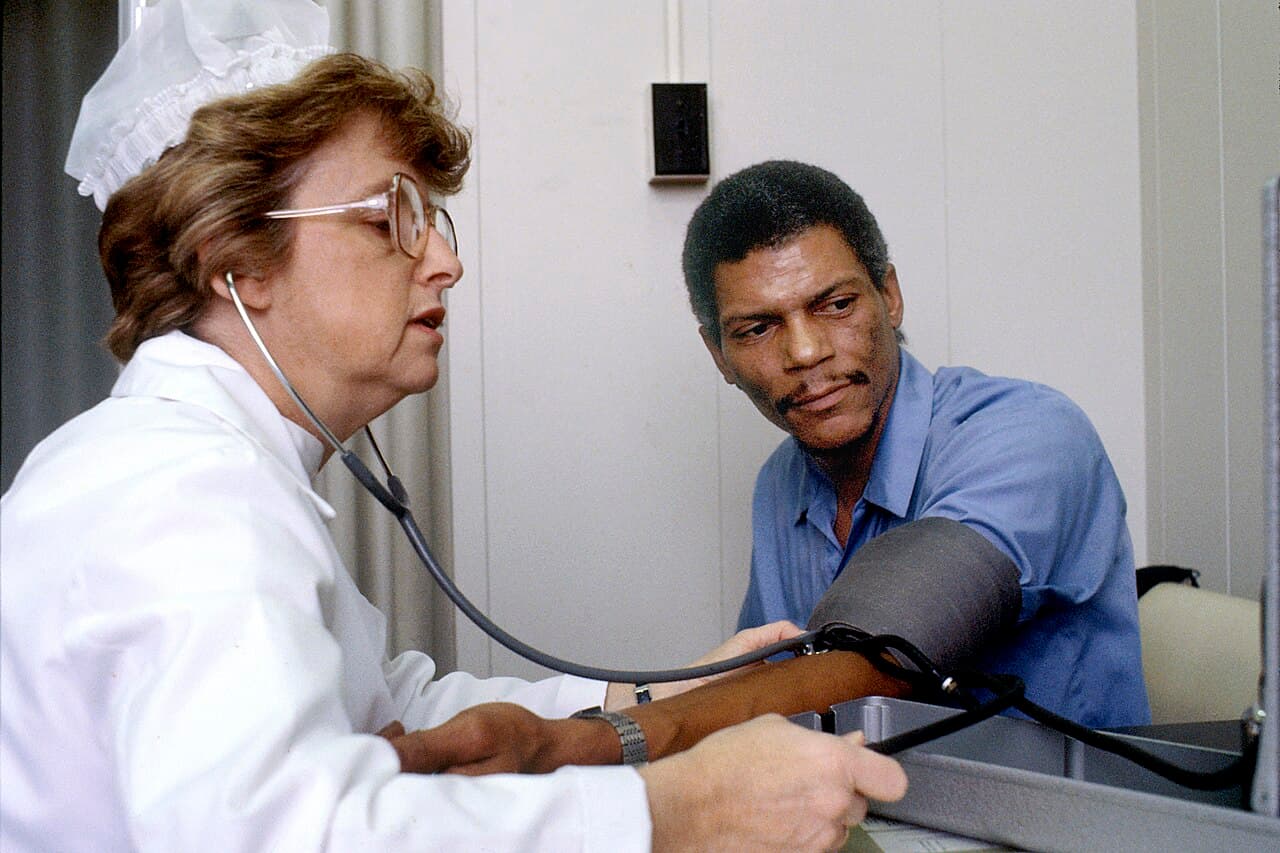
In Ghana, the nation's nurses are on strike, leaving major hospitals overcrowded and doctors overwhelmed — a stark reminder of the critical gaps in Africa's healthcare system.
Context
Ghana has faced a nursing shortage for years, with many professionals seeking better opportunities abroad. This strike is the latest manifestation of the government's inability to meet its healthcare workforce demands, leaving hospitals critically understaffed.
Facts
According to the Ghana Nurses Association, over 70% of nurses in the country's public sector have joined the strike. This leaves many hospitals unable to operate at full capacity and patients without proper care.
Human Impact
The strike's impact is felt most keenly by the patients who rely on these public hospitals for life-saving care. Many are left without treatment, forced to wait in overcrowded wards or seek private healthcare options they may not afford.
Analysis
This strike highlights the broader issues of inadequate funding and infrastructure in Ghana's healthcare sector. With nurses demanding better pay to reflect their crucial role, it raises questions about government investment in public health services.
Counterpoints
Government officials have stated their commitment to resolving the situation, emphasizing the importance of nurses and vowing to increase funding. However, skepticism remains high as previous promises have not led to tangible improvements.
What Happens Next
The resolution of this strike will be closely watched, particularly for any indications that the government's promises to improve nurse pay and benefits are more than just words. Any tangible improvements in public hospital conditions could signal a positive shift.
Takeaway
The ongoing nurse strike in Ghana underscores the critical but underappreciated role nurses play in the nation's health. It is a stark reminder of the need for systemic changes within Africa's public healthcare sector.