
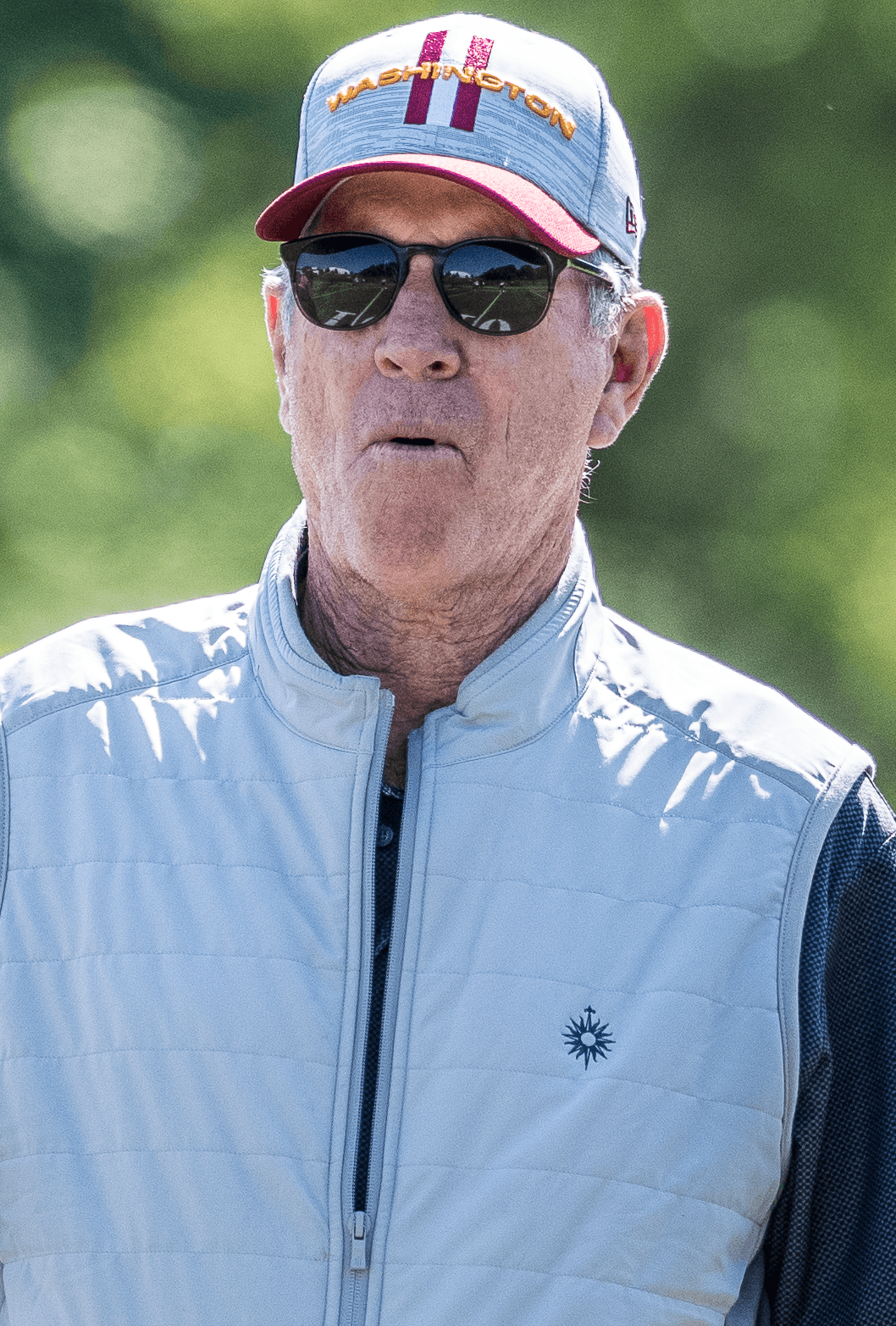
Morocco’s last full rehearsal before Brazil is not in Africa or Europe — it is Norway in New Jersey. That is the striking geography of modern football: an African World Cup contender, shaped by a Qatar 2022 semifinal run, now sharpening its final preparations at Pingry School before a reported June 7 friendly at Sports Illustrated Stadium in Harrison.
Context

The deeper story is not only a friendly match. It is how Morocco’s national team, the Atlas Lions, has become a symbol of African football ambition after reaching the semifinals at Qatar 2022 — a run that one source says has raised expectations around a new-look squad entering the 2026 FIFA World Cup in the United States. That history matters because it changes how every preparation match is read: not as routine travel, but as a stress test for a team carrying national pride and continental attention.
The structure producing this moment is the global football calendar around the 2026 FIFA World Cup, hosted in the United States. Morocco’s camp in New Jersey places an African team inside the logistical and commercial machinery of a tournament staged far from Rabat, Casablanca or Marrakech. The reported Norway fixture at Sports Illustrated Stadium, formerly Red Bull Arena, becomes a bridge between training ground and tournament pressure.
Why now? Because Le Matin has described the Norway match as Morocco’s final full-scale rehearsal before a World Cup opener against Brazil. That framing, if accurate, makes June 7 less about Norway alone and more about Brazil waiting beyond it.
Facts

Here is what is verified from the supplied reporting. Multiple cited reports say Morocco’s national team arrived in the United States and is continuing preparations in New Jersey. One report says the team landed at Newark Liberty International Airport on Wednesday, June 3. That arrival detail should be treated as a reported fact from that source, not independently expanded beyond the record here.
The training base identified in the reports is Pingry School in New Jersey. The Atlas Lions are scheduled to play Norway on June 7 at Sports Illustrated Stadium in Harrison, New Jersey. Le Matin reported that several converging sources indicated the Morocco-Norway match was set for that date and venue, and noted that the stadium was formerly Red Bull Arena.
Le Matin also framed Norway as the Atlas Lions’ final full-scale rehearsal before Morocco’s World Cup match against Brazil. Separately, one source says Morocco entered the 2026 World Cup in the United States with a new-look squad and high expectations after the Qatar 2022 semifinal run. The supplied record does not provide a confirmed result of the Norway match, attendance figures, squad list, injury report or official federation statement.
Human Impact
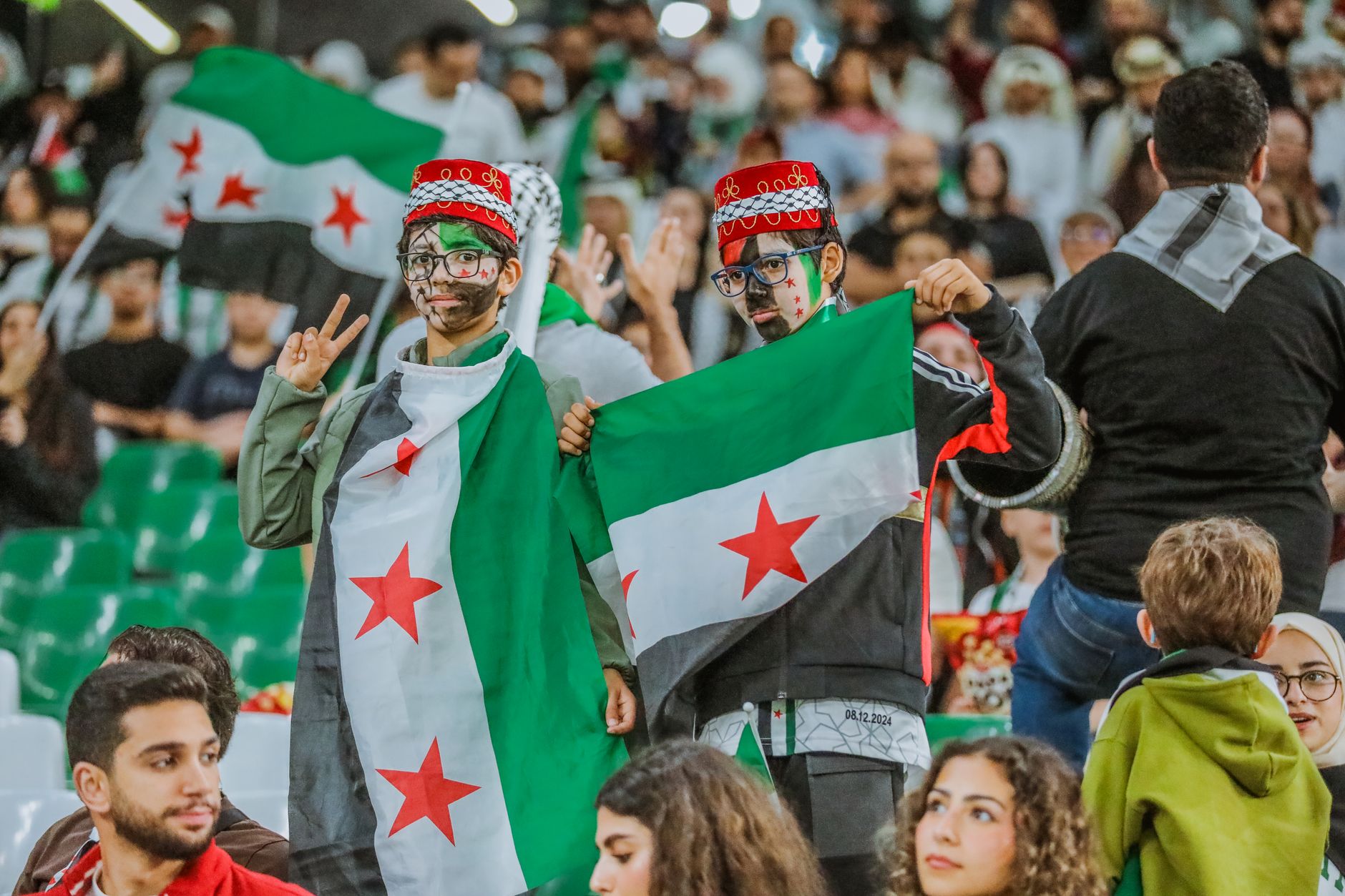
For Moroccan supporters, the emotional weight sits in the gap between memory and expectation. Qatar 2022 gave the Atlas Lions a historic semifinal run; the 2026 campaign asks whether that moment can become continuity rather than nostalgia. Every camp, every friendly, every reported tactical rehearsal now carries a public meaning larger than ninety minutes.
The people most directly affected are the players and technical staff who must convert that expectation into preparation. A training camp at Pingry School is not glamorous in itself; it is where selection pressure, adaptation to the United States, and readiness for Brazil are tested away from the home crowd.
There is also a cultural impact for Moroccans following from abroad. A match in Harrison, New Jersey, places the national team within reach of supporters outside Morocco, while keeping the centre of gravity African: this is Morocco preparing for the world, not simply appearing on someone else’s stage.
Analysis
The established fact is straightforward: Morocco arrived in New Jersey, trained at Pingry School, and was scheduled to face Norway on June 7 at Sports Illustrated Stadium. The interpretation is more layered. This camp shows how elite African teams now operate inside global tournament systems that demand mobility, adaptation and brand-level scrutiny before a ball is kicked in a World Cup match.
Who benefits? Morocco benefits if the Norway fixture gives the coaching staff a realistic rehearsal before Brazil. Players benefit if they use the camp to settle roles inside a new-look squad. Supporters benefit from a clearer sense of the team’s readiness. Sports Illustrated Stadium and the surrounding match infrastructure also benefit from hosting a fixture tied to World Cup preparation.
Who loses, or at least carries the risk? The team does, if the final rehearsal exposes weaknesses without enough time to correct them. The public narrative can also become unforgiving: after Qatar 2022, an ordinary preparation cycle may be judged against an extraordinary past. That is the burden of success for African teams that break ceilings.
The wider pattern is that African football powers are no longer only measured by qualification. They are judged by planning, opponent selection, training environments and capacity to sustain excellence across tournaments. Morocco’s preparation in New Jersey is therefore a football story, but it is also a story about African agency in a global game that often tries to define African success as surprise rather than system.
Counterpoints
There is a reasonable counterargument: a friendly against Norway, even if positioned as a final rehearsal, cannot tell us too much about Morocco’s readiness for Brazil. Regional analysts who take this view would argue that warm-up matches are controlled environments, shaped by fitness management, experimentation and risk avoidance. A coach may choose not to reveal the full plan.
Another counterpoint is about the evidence itself. The strongest details in the supplied record come from cited reports and Le Matin’s account of converging sources. But the record provided here does not include an official match statement, confirmed lineup, result, attendance, or direct comment from Morocco’s federation, Norway’s federation, FIFA, or stadium management.
That does not make the reporting invalid. It means the responsible reading is narrow: the camp and scheduled friendly are well reported in the supplied material; broader claims about form, tactics or tournament prospects remain analysis, not verified fact.
What Happens Next
The next signals are specific. First, any official confirmation or post-match information from the Morocco camp would clarify what happened around the June 7 fixture and how the technical staff assessed it. Second, the availability of the new-look squad matters: who trained, who featured, and who emerged as central to the Brazil plan.
The biggest trigger point remains the Brazil match described by Le Matin as following this final rehearsal. If Morocco looks organized and physically settled, the New Jersey camp will be read as useful groundwork. If the team struggles, the same camp will be re-examined for warning signs. Until official details are available, the safest measure is not hype, but evidence.
Takeaway
The single most important fact is this: Morocco’s Atlas Lions prepared in New Jersey and were scheduled to face Norway at Sports Illustrated Stadium in what Le Matin described as their final full-scale rehearsal before Brazil. Everything else — confidence, pressure, tactical meaning — flows from that.
For African readers, the question is not whether Morocco can repeat Qatar 2022 by force of emotion. It is whether a historic run has become an operating standard: better preparation, sharper planning, and an African team entering the World Cup conversation as an author of its own expectations.