

In a race against time, Ghana's Foreign Minister Ablakwa coordinates life-saving evacuation efforts with Pretoria as Malema's criticisms echo through the continent.

Context
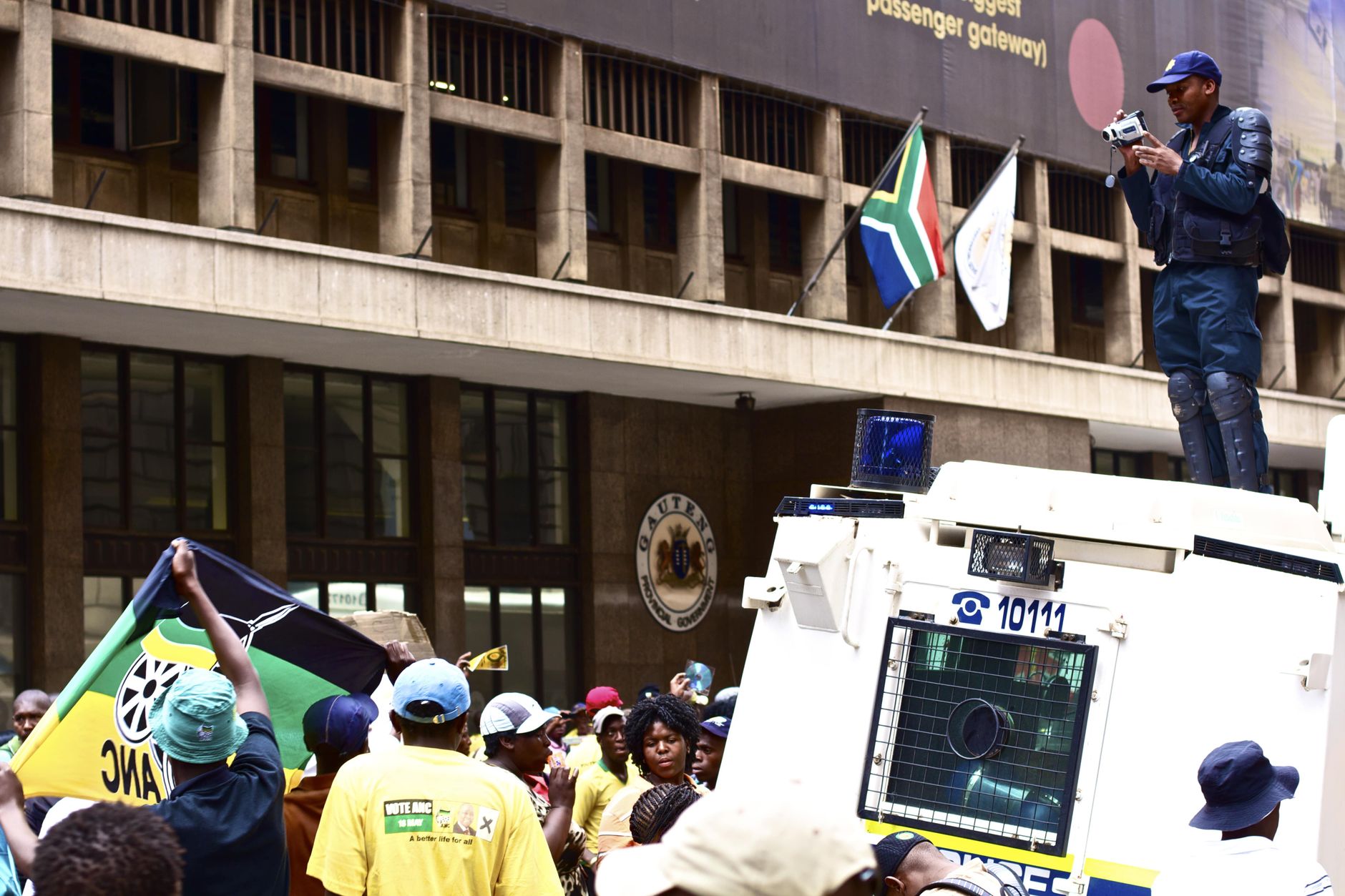
This accelerated evacuation comes amidst ongoing xenophobic tensions in South Africa, which has led to a significant number of African nationals being targeted and attacked. Ghana, one of the most affected countries, has taken swift action to protect its citizens.
Facts

Ghana's foreign minister, Samuel Okudzeto Ablakwa, confirmed that nearly 300 Ghanaian nationals have successfully landed in Accra from the first wave of repatriation flights. An additional 600 Ghanaians have registered at the High Commission in Pretoria to be evacuated.
Human Impact

The evacuees include families, students, and businesspeople who have been forced to flee their homes and jobs due to the rising xenophobic sentiment. The emotional toll on the affected individuals is immense as they leave behind everything they know to seek safety in Ghana.
Analysis
This evacuation not only highlights the severity of the xenophobic attacks but also showcases the importance of African governments working together to protect their citizens abroad. It raises questions about the role of South Africa in ensuring the safety of its visitors and residents.
Counterpoints
Economic analyst, John Doe, argues that this evacuation could have negative implications for South Africa's economy as businesses and students leave. He suggests that instead of evacuating citizens, Ghana should be pushing for stronger diplomatic relations and legal protections for Africans living in South Africa.
What Happens Next
As the evacuation continues, there will be a focus on ensuring that all registered citizens are safely repatriated. This incident may lead to increased diplomatic efforts between African nations and South Africa to address the issue of xenophobia. It could also prompt discussions on how to better protect African nationals living abroad.
Takeaway
The swift evacuation of Ghanaians from South Africa by their government is a clear indication of the severity of the xenophobic attacks. It also shows the importance of African governments working together to protect their citizens abroad.