
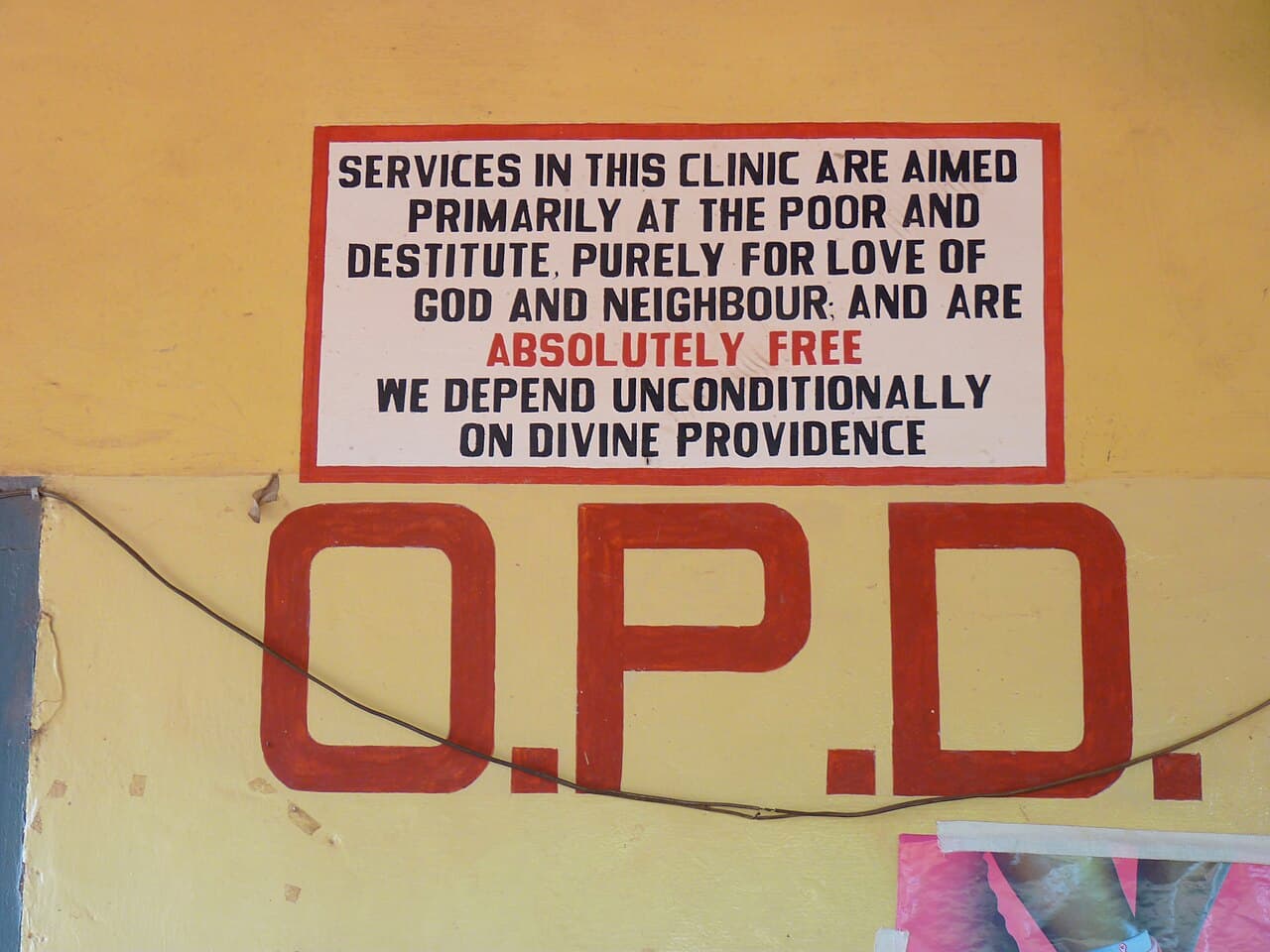
The nationwide strike by nurses in Ghana's public hospitals has left patients stranded and doctors struggling to handle the influx of cases, leading to dire consequences for healthcare delivery across the country.
Context
Public hospital strikes are not new in Ghana. In 2019, doctors went on strike for better pay and conditions, leading to a shortage of medical staff during the COVID-19 pandemic which put additional strain on an already fragile healthcare system.
Facts
Sources: Nurses in Ghana declare nationwide strike disrupting healthcare services — africanewsbroadcast.com. Chaotic scenes unfolded in some public health facilities across Ghana today as the ongoing strike by nurses and midwives entered a critical phase.
Human Impact
The ongoing public sector nurses' strike has left patients, especially those requiring constant care and attention, stranded. In some regions of the country, hospitals have become overwhelmed with patients, leading to long waiting times and a lack of proper medical care.
Analysis
The nationwide nurses' strike in Ghana's public health facilities has put immense pressure on the few doctors still on duty, leading to a strain on healthcare delivery. This situation raises concerns about the impact on patients and highlights the need for better infrastructure and support for medical staff.
Counterpoints
Some argue that the government must prioritize addressing nurses' concerns to prevent further disruption of healthcare services. Others suggest that a solution could involve offering incentives for medical staff to remain in public service.
What Happens Next
As the strike continues, it is crucial for the government and nurses' representatives to find a resolution soon to prevent further strain on Ghana's public healthcare system. Any delay in addressing this issue could lead to more patients suffering from lack of care.
Takeaway
The public should remain vigilant on the impact of this strike, demanding that the government prioritizes resolving disputes with nurses to prevent more people from suffering due to lack of healthcare services.