
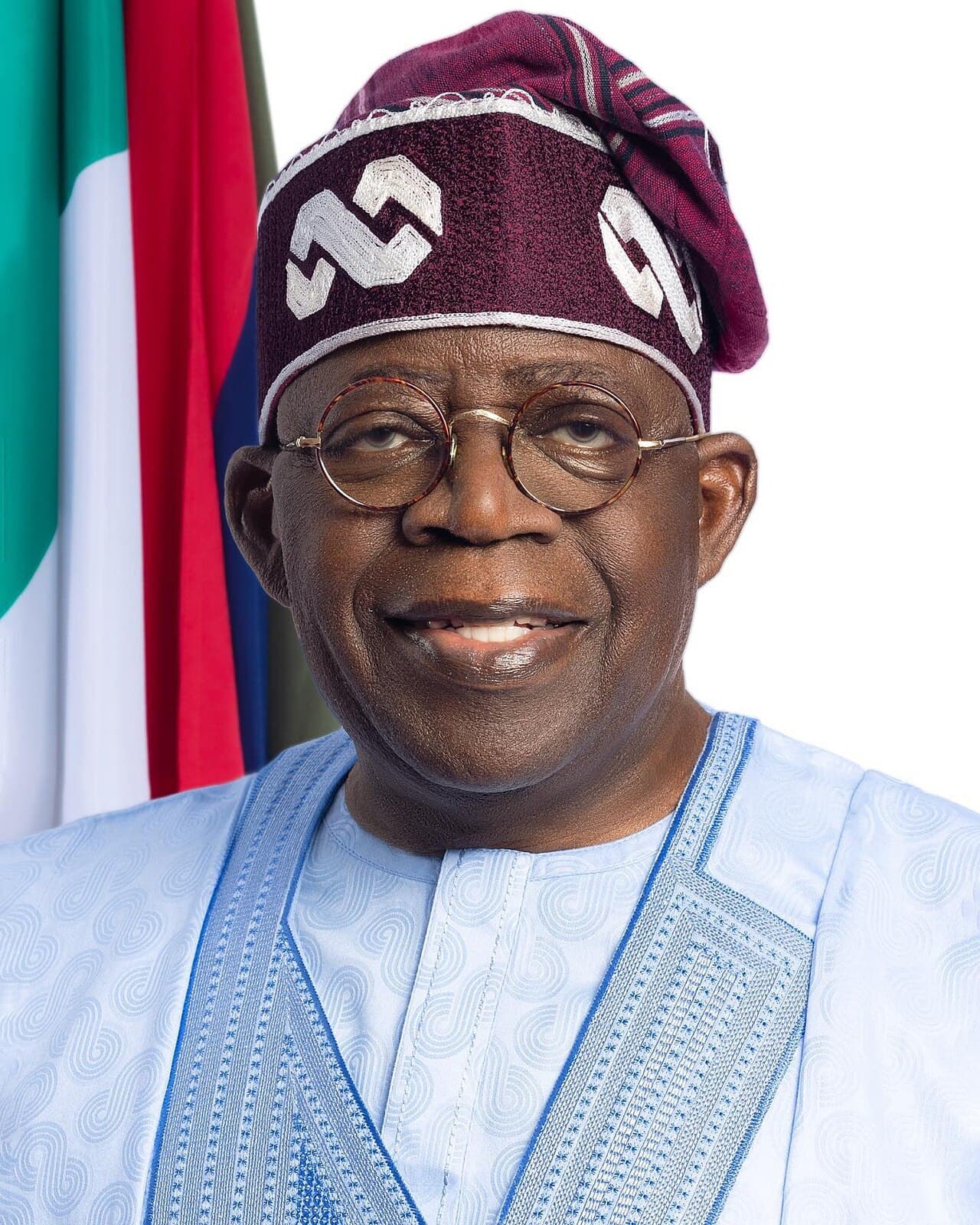
In a dramatic display of leadership, President Bola Ahmed Tinubu on Nigeria's Democracy Day defended his controversial decision to remove fuel subsidies and unify foreign exchange rates to governors assembled at the presidential villa in Aso Rock. He boldly claimed that these bold reforms had saved Nigeria from bankruptcy and restored economic stability across government tiers.
Context
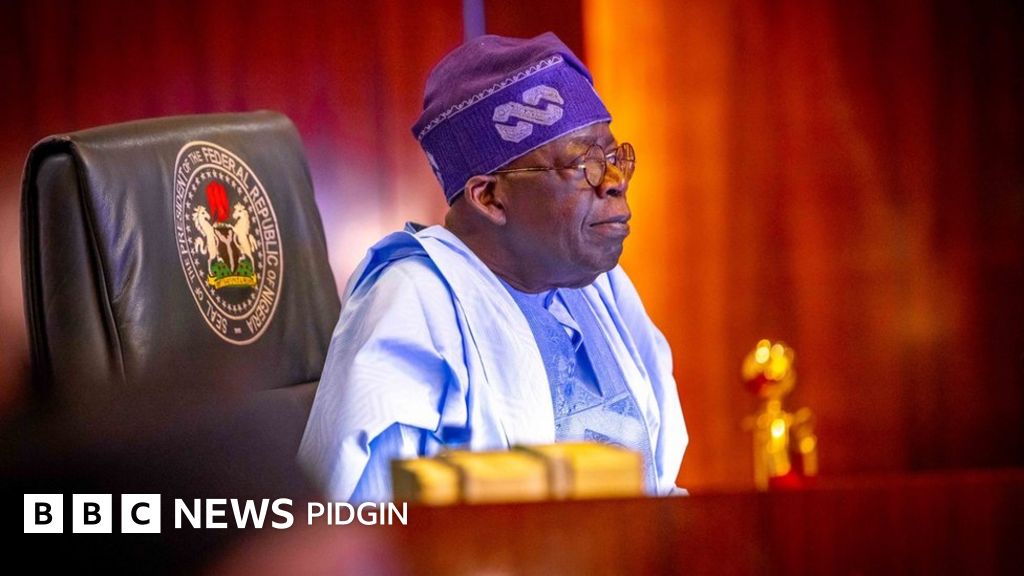
The decision to remove fuel subsidies and unify foreign exchange rates was one of Tinubu's first major policy moves upon taking office in May 2023. Amidst a dire economic situation, the new president inherited a country with soaring inflation, falling currency value, and mounting government debt from his predecessor. Critics warned that suddenly removing decades-old fuel subsidies would cause social unrest and political backlash.
Facts
Specifically, Tinubu announced the removal of fuel subsidies that were costing Nigeria an estimated ₦18.4 billion per day at their peak. He also declared a unification of the country's multiple foreign exchange rates into a single floating rate to make FX pricing more transparent and efficient. These moves were controversial and met with immediate opposition from political rivals, state governors, and ordinary Nigerians.
Human Impact
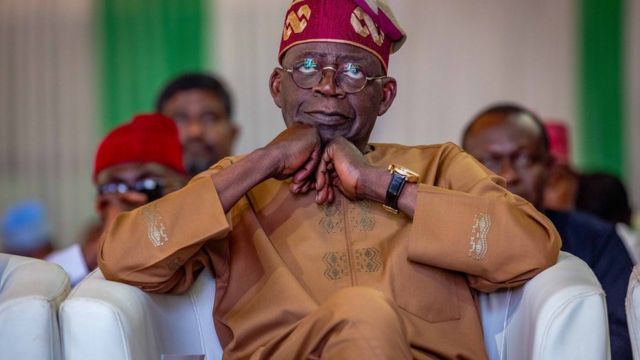
The removal of fuel subsidies immediately impacted the daily lives of average Nigerians, who suddenly faced significantly higher costs for petrol and other subsidized goods. State governors attending Tinubu's Democracy Day event expressed a mix of resignation and resistance to the policy changes. Some praised the president for his bold leadership in tackling Nigeria's economic challenges.
Analysis
Tinubu's decision to immediately remove fuel subsidies was a high-stakes gamble to demonstrate bold leadership in tackling Nigeria's dire economic situation. By unifying foreign exchange rates, he aimed to reduce black market FX trading and make pricing more efficient. The short-term human pain will test Nigerians' patience with the policy, but Tinubu believes it is necessary to prevent long-term fiscal collapse.
Counterpoints
Not all state governors at the Democracy Day event were fully on board with Tinubu's bold economic vision. Governors from key states like Rivers, Delta, Akwa Ibom and Abuja expressed skepticism about suddenly removing fuel subsidies without more targeted social safety nets for impacted citizens. They warned that without greater government transparency and accountability, Nigerians may revolt against the new policies.
What Happens Next
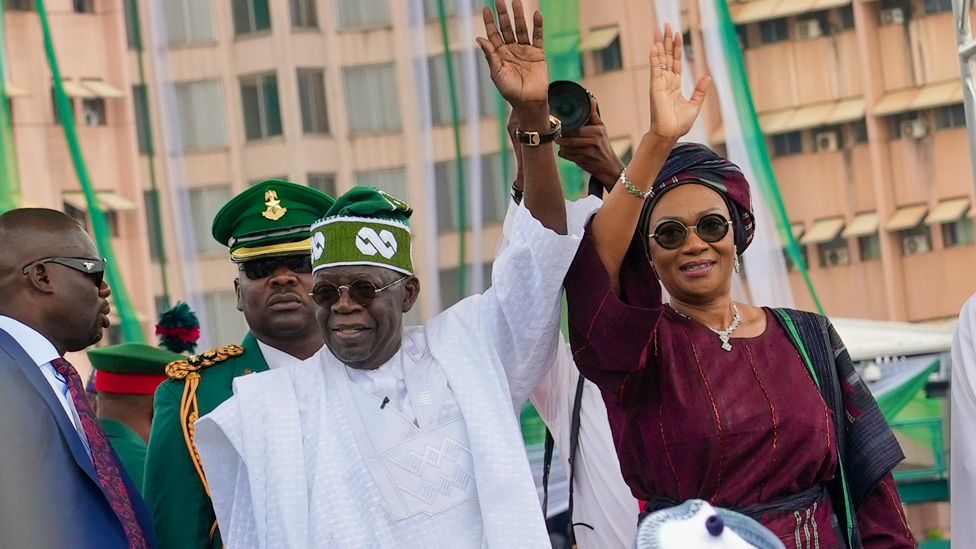
The June 12 comprehensive scorecard event will be a major litmus test of whether Nigerians accept the short-term pain from Tinubu's economic reforms. If his policies show early results in taming inflation and stabilizing the naira, he may gain political capital to push more difficult changes. But if rising fuel prices lead to social unrest, Tinubu could face growing resistance.
Takeaway
The most important takeaway is that this first major test of Tinubu's economic leadership will shape his political capital for the rest of his tenure. Nigerians must closely monitor if and how quickly he can tackle inflation, stabilize the naira, and restore government services like electricity and water. His ability to communicate the urgent necessity of these painful reforms while also managing public outcry will define his legacy.