

In a bold display of investor confidence, Angola successfully raised $1.5 billion through its second Eurobond issuance in 2026, following a similar operation earlier this year. The transaction, which attracted an impressive order book of about $4 billion, underscores the strong investor appetite for African sovereign bonds amidst global financial volatility.

Context
Angola's decision to issue a second Eurobond in 2026 comes amidst a broader trend of increased sovereign debt issuance across sub-Saharan Africa. This development is particularly significant given the global financial volatility experienced in recent months, which has led many investors to seek safer investments within the African market.
Facts
The $1.5 billion raised by Angola through its second Eurobond issuance in 2026 marks the country's growing financial stability and investor confidence, following a similar operation earlier this year.
Human Impact
The successful completion of Angola's second Eurobond issuance will have a positive impact on the country's economy, allowing for increased investment in infrastructure, healthcare, and education. Additionally, it is likely to boost investor confidence not only within Angola but also across sub-Saharan Africa.
Analysis
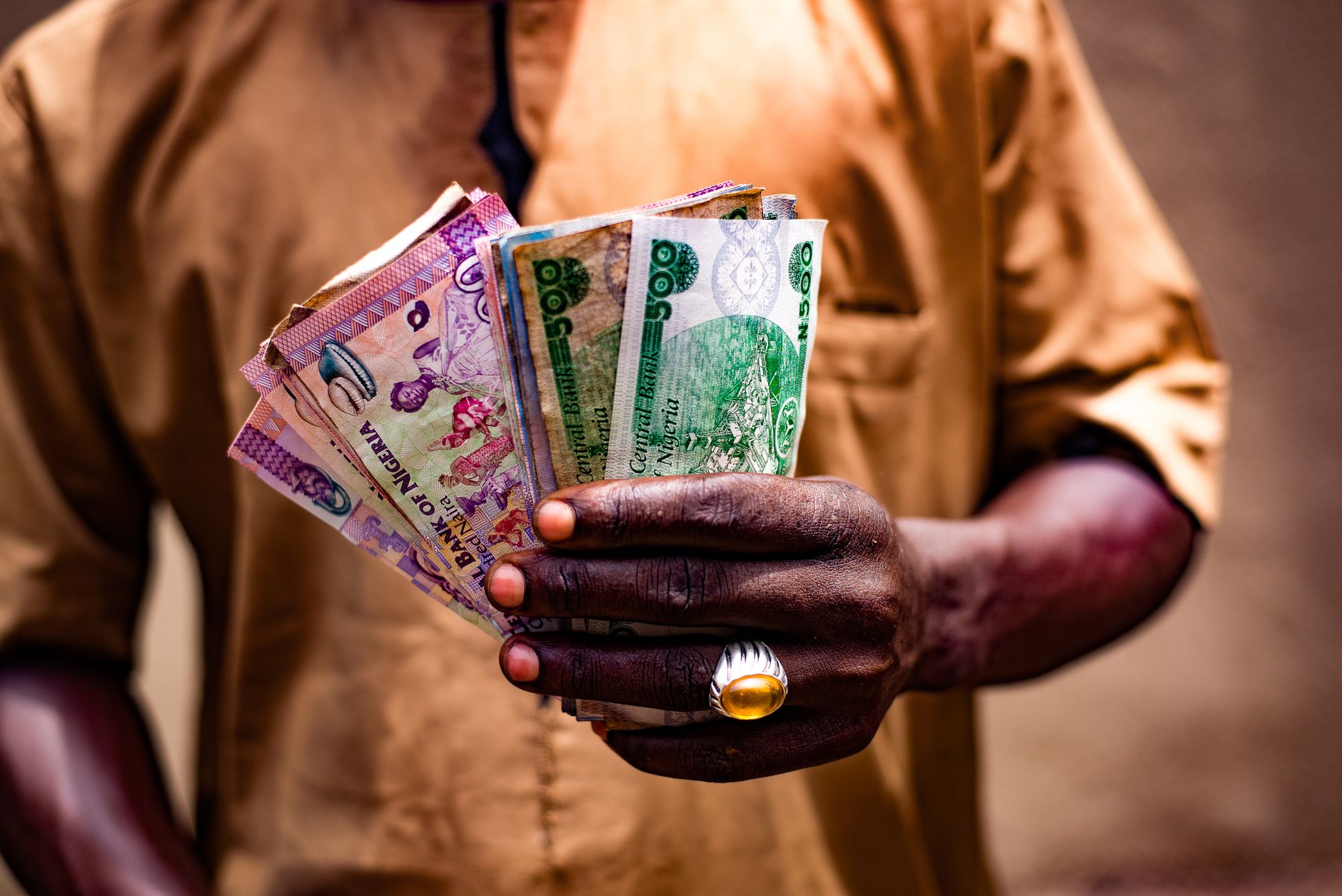
This development highlights the growing importance of African sovereign bonds in global financial markets, as investors seek to diversify their portfolios and take advantage of the region's economic opportunities. Moreover, it underscores the need for continued investment in infrastructure and human capital across sub-Saharan Africa, to ensure sustained growth and stability.
Counterpoints
Critics argue that Angola's reliance on foreign debt to fund its development projects may lead to increased economic instability and dependence on international financial markets. They point out that such a strategy could also expose the country to the volatility of global capital flows, which has the potential to exacerbate existing economic inequalities.
What Happens Next

Looking ahead, it is likely that we will see continued sovereign debt issuance across sub-Saharan Africa, as countries seek to take advantage of the current investor appetite for African bonds. However, it remains to be seen whether this trend will lead to sustained economic growth and development, or if it will simply perpetuate existing patterns of dependence on foreign capital.
Takeaway
As the world continues to grapple with financial uncertainty, African sovereign bonds have emerged as a safe haven for investors seeking to diversify their portfolios. Angola's successful Eurobond issuance is a clear signal of this trend, and it should serve as a reminder to policymakers across the continent to focus on sustainable economic growth and development.