
The legal inequalities faced by women in Africa, gender-based violence, and the advocacy efforts for gender equality are critical issues that require urgent attention. According to a report by Equality Now, these challenges hinder Africa's progress towards sustainable development.
Context
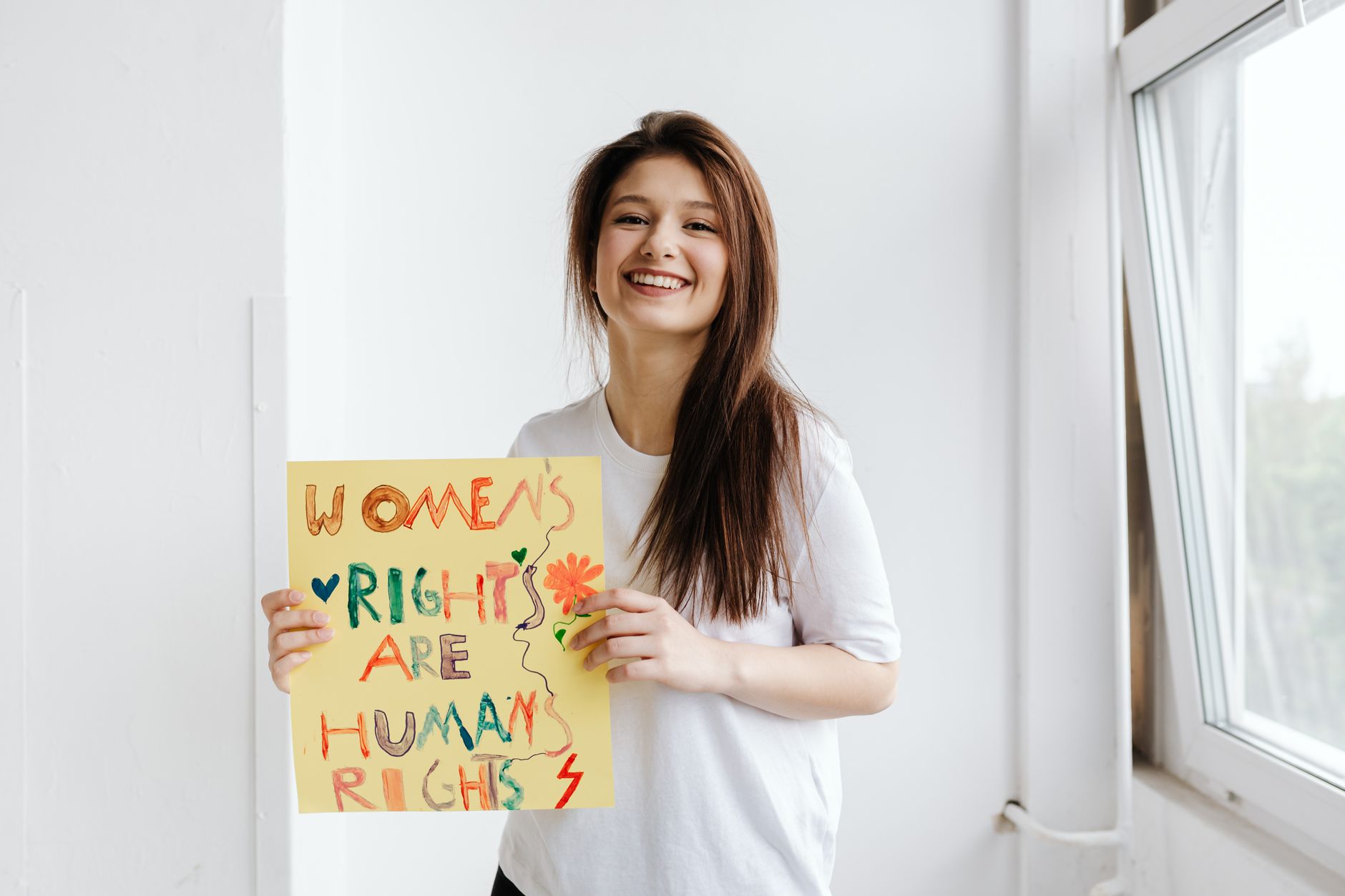
In many African societies, women continue to face legal inequalities and gender-based violence. Practices such as female genital mutilation (FGM), child marriage, trafficking, and discrimination against girls persist in various regions.
Facts
Despite legal reforms and advocacy efforts, the prevalence of FGM remains high in countries like Egypt (87%), Ethiopia (74%), and Somalia (98%). Child marriage affects millions of girls across Africa, with rates above 20% in Nigeria, Chad, and Niger. These practices continue to harm countless women and girls.
Human Impact
The ongoing practice of FGM in countries like Egypt, Ethiopia, and Somalia has resulted in countless women and girls suffering physical, psychological, and sexual harm. Child marriage forces millions of young African girls into early union with older partners, denying them access to education, healthcare, and a chance at a better future.
Analysis
The persistence of these practices in various African countries highlights the need for continued advocacy and legal reforms. Empowering women through education, access to resources, and equal opportunities is crucial for breaking the cycle of poverty, violence, and inequality. The international community must support African nations in their efforts to eliminate gender-based violence and promote gender equality.
Counterpoints
Some argue that cultural norms and traditions should be preserved, and that external interference is not welcomed. Others suggest that economic development and education will naturally lead to gender equality without the need for targeted policies.
What Happens Next
The global community should continue to support African nations in their efforts to eliminate gender-based violence and promote gender equality. This can be achieved through targeted legal reforms, increased funding for education and resource access programs, and the implementation of policies that prioritize women's rights.
Takeaway
The international community must support African nations in their efforts to eliminate gender-based violence and promote gender equality. By empowering women through education, access to resources, and equal opportunities, we can break the cycle of poverty, violence, and inequality.