In September 2024, the collapse of Alau dam triggered massive floods that ravaged Maiduguri and Konduga LGA in Borno State, displacing over 400,000 households. This forced a joint emergency response focusing on water, sanitation, and hygiene (WASH) and protection needs by an Oxfam-led consortium including CRUDAN.

Context
Borno State, located in northeastern Nigeria, has been grappling with insecurity and humanitarian crises for years. The recent floods hit an already vulnerable population hard.
Facts
The Oxfam-led consortium's response involved integrated emergency interventions covering WASH, emergency food security and livelihoods (EFSVL), and protection. CARE employed a gender and protection mainstreaming approach.
Human Impact
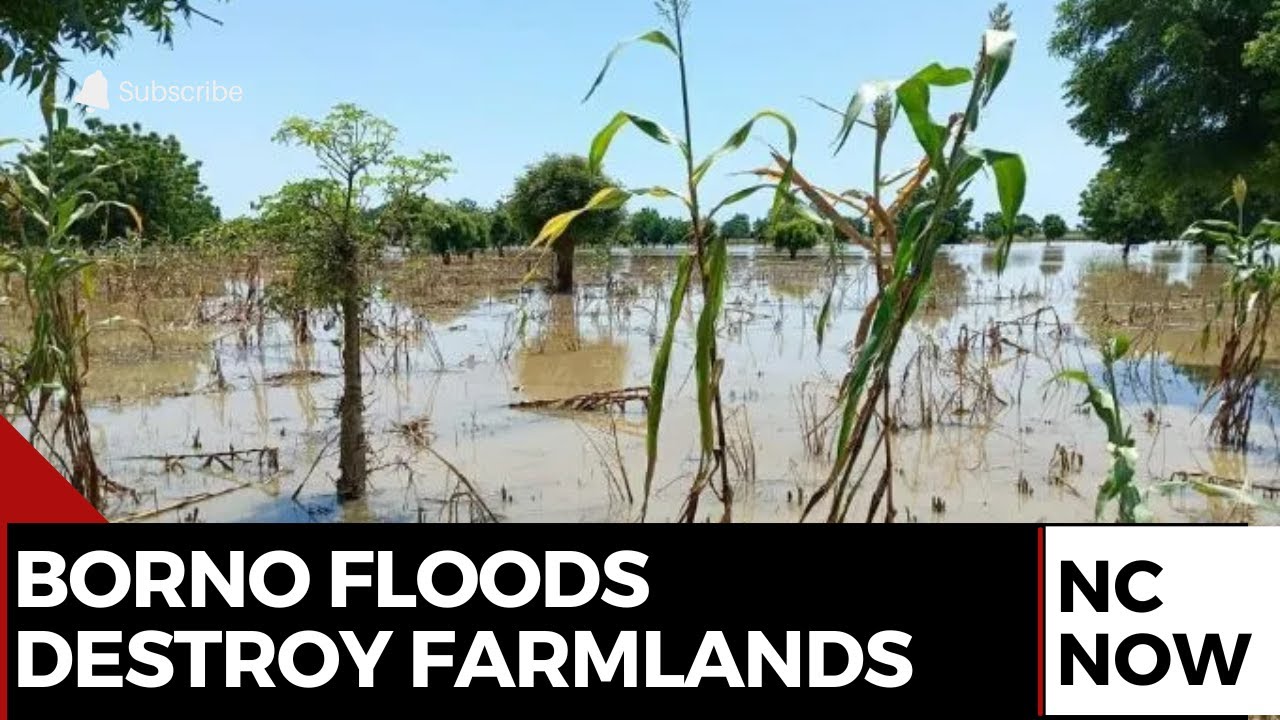
The floods caused significant damage to infrastructure, homes, and livelihoods. Vulnerable groups like women and girls faced heightened risks.
Analysis
Integrating gender and protection measures was critical to address the needs of vulnerable groups effectively. The joint response aimed to build on partnerships with local organizations.
Counterpoints
Critics argue that the response should have been more proactive in preventing harm to women and girls, rather than just reactive.
What Happens Next

Monitoring key indicators like water quality and gender-based violence rates will be crucial. Authorities should prioritize climate-resilience infrastructure.
Takeaway
The joint emergency WASH and protection response was essential to save lives and protect the most vulnerable after Borno State's catastrophic floods. Strengthening partnerships and integrating gender and protection must guide future responses.