
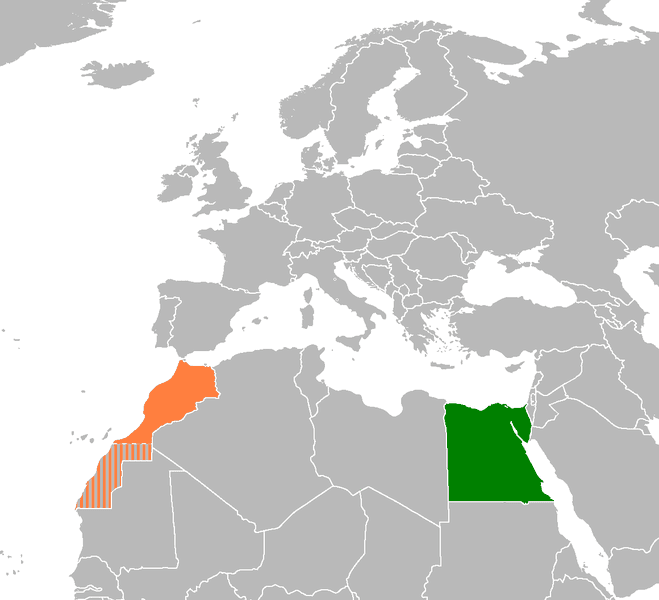
In a display of rising African football prowess, Morocco, Egypt, Côte d'Ivoire, Cameroon, and Tanzania have triumphantly marched into the quarter-finals of the highly anticipated 2026 TotalEnergies U-17 Africa Cup of Nations (AFCON). This achievement not only underscores the growing competitiveness of African teams on the international stage but also highlights the increasing investment in youth football development across these nations.

Context

The success of these nations in the U-17 AFCON can be traced back to the substantial investment and strategic development programs implemented by football associations and governments across Africa. These initiatives aim to nurture talent from a young age, providing the necessary training, infrastructure, and opportunities for players to excel at national and international levels.
Facts

The quarter-final line-up includes Morocco, who were the first teams to secure their spots in this elite round of the tournament. Egypt followed suit, showcasing their footballing prowess alongside fellow quarter-finalists Côte d'Ivoire and Cameroon. Tanzania's inclusion further diversifies the nations represented at this stage, highlighting Africa's rich football talent pool.
Human Impact

The success of these nations in the U-17 AFCON carries significant implications for their communities and countries. For the players themselves, it represents a stepping stone towards potentially fulfilling careers in professional football, bringing pride to their families and nations. Furthermore, this achievement reflects positively on the youth development programs that have nurtured these talents, proving their effectiveness in identifying and fostering footballing excellence.
Analysis
The quarter-final progression of Morocco, Egypt, Côte d'Ivoire, Cameroon, and Tanzania in the 2026 TotalEnergies U-17 AFCON is a testament to the growing football infrastructure and talent identification systems across Africa. These nations' success also presents an opportunity for these countries to further establish their presence on the international stage by showcasing their players' talents beyond African borders.
Counterpoints
While the success of these nations in the U-17 AFCON is a significant achievement, it should be noted that not all African countries have equal access to football development programs. Additionally, the competitiveness of African teams on the international stage varies depending on factors such as resources, infrastructure, and exposure.
Takeaway
As Morocco, Egypt, Côte d'Ivoire, Cameroon, and Tanzania march on to the quarter-finals of the U-17 AFCON, it is clear that African football's future is looking promising. These nations' achievements remind us of the importance of continued investment in youth development programs and the potential for Africa's rising talents to make a significant impact on the global football landscape.