In a startling development, the Democratic Republic of the Congo's (DRC) national football team abruptly canceled a three-day World Cup preparation camp and public farewell event in Kinshasa. The reasons behind this sudden cancellation were the ongoing Ebola outbreak in the east of the country.
Context
Ebola outbreaks have disrupted life and major events across DR Congo in recent years. From 2018 to 2020, the country experienced one of the worst Ebola outbreaks in its history, with over 3,000 cases reported. In such a context, the cancellation of the football team's World Cup preparation camp sends a stark reminder that major national events could be directly affected by health crises.
Facts

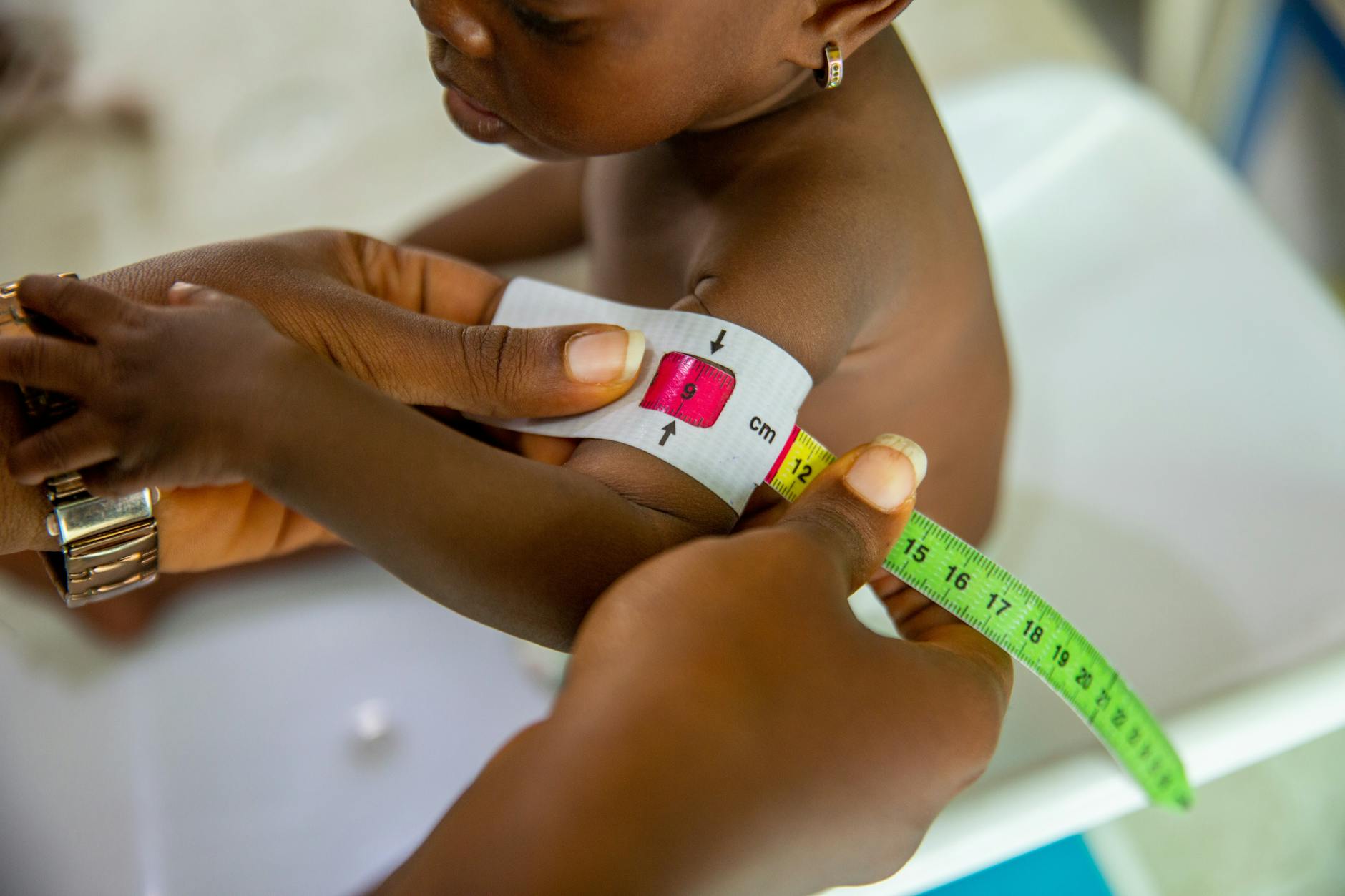
The DRC football team's training camp was initially scheduled for three days in Kinshasa. It was canceled due to the Ebola outbreak that has been centered in the eastern part of the country. The World Health Organization (WHO) declared this epidemic a public health emergency of international concern.
Human Impact
The cancellation forced the DRC football team to adjust its World Cup preparations, as many athletes remain sidelined due to health concerns. This could affect the morale and readiness of national teams for major global competitions.
Analysis

By declaring the Ebola outbreak in eastern DRC a public health emergency of international concern, the WHO highlighted that major sports events like the World Cup could be directly affected by epidemics in the country. This decision means that future outbreaks may force international health authorities and local governments to find ways to balance the mitigation of risks posed by such crises while allowing national teams to prepare for global competitions.
Counterpoints
Some experts argue that the cancellation may have been precautionary rather than necessary, citing the success of past sports events in DRC despite previous outbreaks. Others suggest that major international health interventions could mitigate future risks to global sports competitions.
What Happens Next
As the country's top athletes remain sidelined, it will be up to international health authorities and local governments to find ways to mitigate the risks posed by future epidemics while allowing national teams to prepare for major global competitions. Key signals to watch may include policy decisions related to public health measures and sports event scheduling.
Takeaway
The cancellation of the DRC football team's World Cup preparation camp highlights the stark reality that major national events can be directly affected by health crises in the country. This should prompt international health authorities and local governments to find sustainable ways to balance the mitigation of risks posed by such epidemics while ensuring that national teams can still prepare for global competitions.