
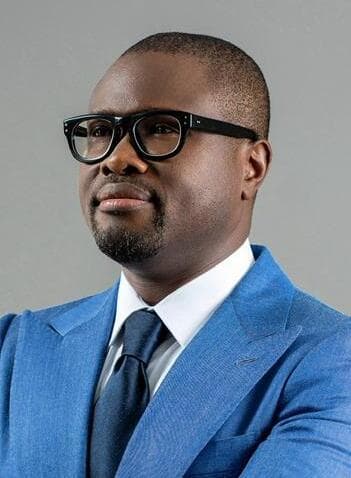
Following a peaceful election process, Romuald Wadagni was sworn in as Benin's new president. In his inaugural speech, Wadagni emphasized the importance of national security and economic development, promising to lead with inclusiveness and strengthen ties among African nations.
Context
Benin, a small West African country known for its relative stability and democratic governance, has undergone a peaceful transition of power with the swearing-in of Romuald Wadagni as president. This event takes place in the broader context of political developments across Africa, where similar transitions have been occurring in recent years.
Facts
[FACT-1] Wadagni won the election with approximately 94% of votes cast. [FACT-2] During his inauguration, Wadagni pledged to make Benin stand firm against threats to cohesion and security. [FACT-3] Wadagni promised to lead inclusively and strengthen relationships among African nations.
Human Impact
.jpg)
The swearing-in of Romuald Wadagni as Benin's president has significant implications for the nation's future. With a focus on security and economic growth, Wadagni aims to address the challenges faced by the people of Benin. His commitment to inclusiveness and strengthening ties among African nations could lead to increased cooperation and support within the region.
Analysis
Wadagni's emphasis on national security and economic growth is crucial for Benin. A stable and thriving economy will be essential in addressing the challenges faced by the nation. His commitment to inclusiveness and strengthening ties among African nations could lead to increased cooperation and support within the region. This approach aligns with broader trends in African governance, where leaders are increasingly prioritizing regional collaboration and domestic stability.
Counterpoints
While Wadagni's pledges are generally well-received, some analysts argue that his focus on national security could lead to increased militarization and a potential shift away from social welfare programs. Others question the feasibility of strengthening ties among African nations given the diverse political landscapes and competing interests across the continent.
What Happens Next
As Benin looks to the future under President Wadagni, key signals will be his administration's ability to implement security and economic policies effectively. International observers should also monitor any changes in Benin's engagement with regional bodies like the African Union and ECOWAS. Furthermore, Wadagni's efforts to strengthen ties among African nations could shape how the continent responds to shared challenges.
Takeaway

The election of Romuald Wadagni as Benin's president brings a new perspective on security and economic development to the nation. The international community should closely monitor Wadagni's efforts in fostering cooperation among African nations and addressing the challenges facing Benin.