
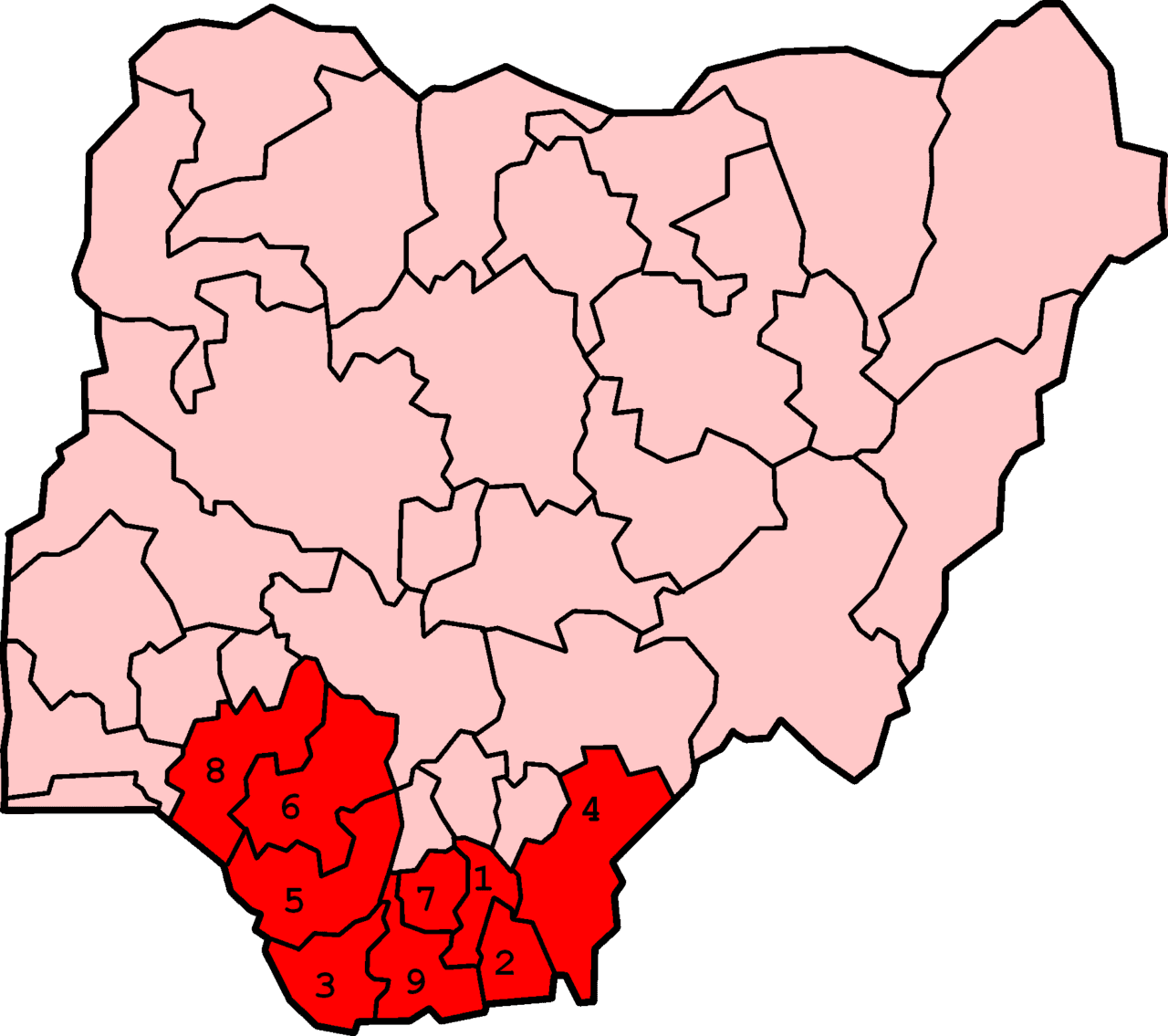
In a shocking revelation, internal Shell documents obtained by the BBC show that the oil giant continued operating a major pipeline in Nigeria's Niger Delta for years despite raising serious concerns about its environmental risks and integrity as far back as 2008. This troubling discovery sheds light on Shell's willful disregard for the safety and well-being of local communities living around the creeks and mangroves, who are currently suing Shell over more than 100 oil leaks between 2011 and 2013 from the same Nembe Creek Trunk Line that Shell had expressed internal worries about. The leaked documents, which include emails and presentations disclosed during ongoing UK legal proceedings, paint a disturbing picture of Shell prioritizing profits over people and the environment.
Context
The Niger Delta, a region of immense environmental and economic value, has long been plagued by the oil industry's neglect and exploitation. For decades, companies like Shell have operated with impunity in this area, causing untold damage to the delicate ecosystem and the lives of those living there. The internal documents released by Shell show that even when they were aware of the dangers their own pipelines posed, they chose to continue operating them for financial gain rather than investing in safer alternatives or ceasing operations altogether.
Facts
The leaked internal Shell documents, which were disclosed as part of ongoing UK legal proceedings brought by communities affected by the oil spills in Nigeria's Niger Delta, provide damning evidence of the company's negligence. The documents include emails and presentations dating back to 2008 that express serious concerns about the safety and integrity of the Nembe Creek Trunk Line, a major pipeline operated by Shell at the time.
Human Impact
The impact of Shell's decision to continue operating the Nembe Creek Trunk Line despite their own internal warnings has been devastating for local communities in Nigeria's Niger Delta. The over 100 oil leaks that occurred between 2011 and 2013, from the very same pipeline that raised concerns, have had severe consequences for the environment, wildlife, and human life. Shell's negligence has led to widespread pollution, destruction of livelihoods, and even deaths among those who rely on the land and waters for their survival.
Analysis
Shell's decision to prioritize profits over people and the environment is a clear example of corporate greed and irresponsibility. The leaked internal documents show that even when they were aware of the risks their pipelines posed, Shell chose to continue operating them for financial gain rather than investing in safer alternatives or ceasing operations altogether. This behavior is not isolated to Shell; it reflects a larger pattern within the oil industry of putting profits before people and the planet.
Counterpoints
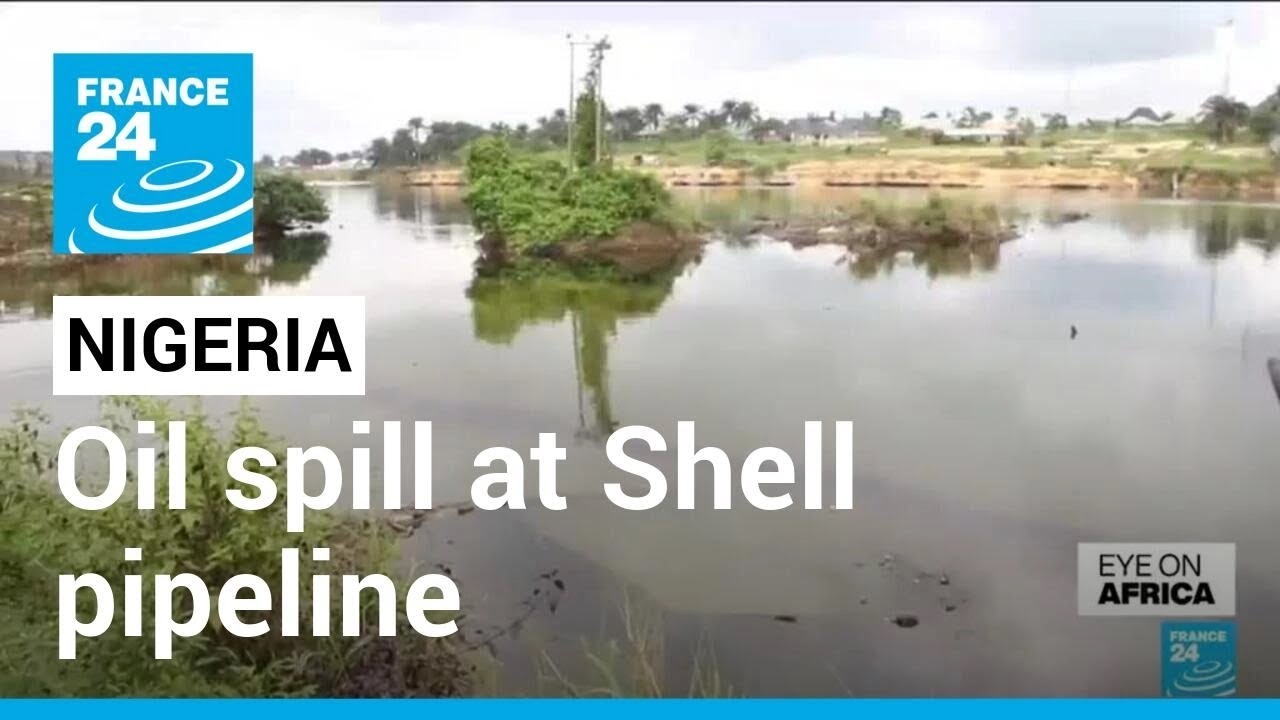
It's worth noting that some within the oil industry and its supporters may argue that Shell's decision to continue operating the Nembe Creek Trunk Line was based on a cost-benefit analysis rather than sheer negligence. They might claim that investing in safer alternatives or ceasing operations altogether would have been too expensive or impractical, given the scale of the operation and the challenges of working in Nigeria's Niger Delta. However, such arguments fail to take into account the long-term environmental and human costs of Shell's actions, which far outweigh any short-term financial gains.
What Happens Next
As the legal proceedings against Shell continue, it is crucial that we remain vigilant and hold companies accountable for their actions. The leaked internal documents provide a valuable opportunity to shed light on the practices of major oil corporations and demand change. We must call on governments and international bodies to strengthen regulation and oversight of the oil industry, ensuring that companies prioritize safety, environmental protection, and human well-being over profits.
Takeaway
The most important takeaway from this revelation is that we must never stop questioning and challenging those in power, especially when it comes to issues of environmental protection and human rights. We have a responsibility to hold corporations accountable for their actions and demand change. As consumers, investors, and citizens, we all have a role to play in shaping a better future. Let this story be a reminder that we cannot afford to sit idly by while the world burns; we must take action where we can and speak out when we see injustice.