
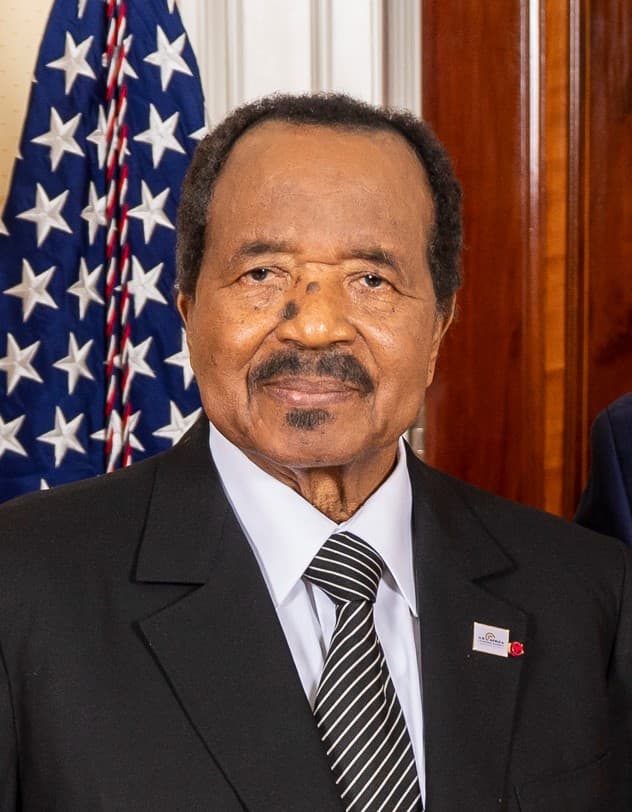
In the aftermath of Paul Biya's controversial re-election for his eighth consecutive term as Cameroon's president, Issa Tchiroma Bakary, a prominent Cameroonian opposition figure, has fled to Gambia. This significant political development highlights the escalating tensions and increasing repression under the Biya regime.

Context

Cameroon has been under the rule of President Paul Biya since 1982, making him one of Africa's longest-serving leaders. Despite widespread allegations of electoral fraud and human rights abuses during recent elections, Biya's Cameroon Democratic Union (UDC) party secured a landslide victory, further entrenching his grip on power.
Facts
In addition to Tchiroma Bakary's exile, several other opposition leaders have also fled the country. Human rights organizations have documented numerous cases of arbitrary detention, torture, and extrajudicial killings in Cameroon since Biya's re-election.
Human Impact
The political crisis has disproportionately affected Cameroon's opposition parties and civil society organizations. Many of these groups have been forced to operate underground or seek refuge in neighboring countries, limiting their ability to challenge the government and advocate for democratic reforms.
Analysis
Biya's eighth term re-election signifies a consolidation of power in Yaoundé, further marginalizing opposition voices and stifling dissent. This political landscape shift will likely lead to continued authoritarian control, suppression of civil liberties, and limited access to information.
Counterpoints
Supporters of Biya's government argue that his re-election is a reflection of Cameroon's democratic process and the people's will. They maintain that allegations of electoral fraud and human rights abuses are exaggerated by opposition parties and international organizations with ulterior motives.
What Happens Next
As Biya's government continues to consolidate power in Yaoundé, the international community should remain vigilant and hold the regime accountable for their treatment of political opponents. Diaspora members, human rights organizations, and journalists should continue to shed light on ongoing human rights abuses and push for democratic reforms.
Takeaway
The most important takeaway from this situation is that the international community must remain vigilant and hold Biya's government accountable for their actions. Diaspora members, human rights organizations, and journalists should continue to shed light on ongoing human rights abuses and push for democratic reforms.