The hypnotic beats of South African dances like the Zulu traditional and Kwela have become social media sensations, captivating audiences on TikTok, Instagram and YouTube. This global virality has put a spotlight on South Africa's rich musical heritage that spans traditional genres to contemporary Afropop.

Context
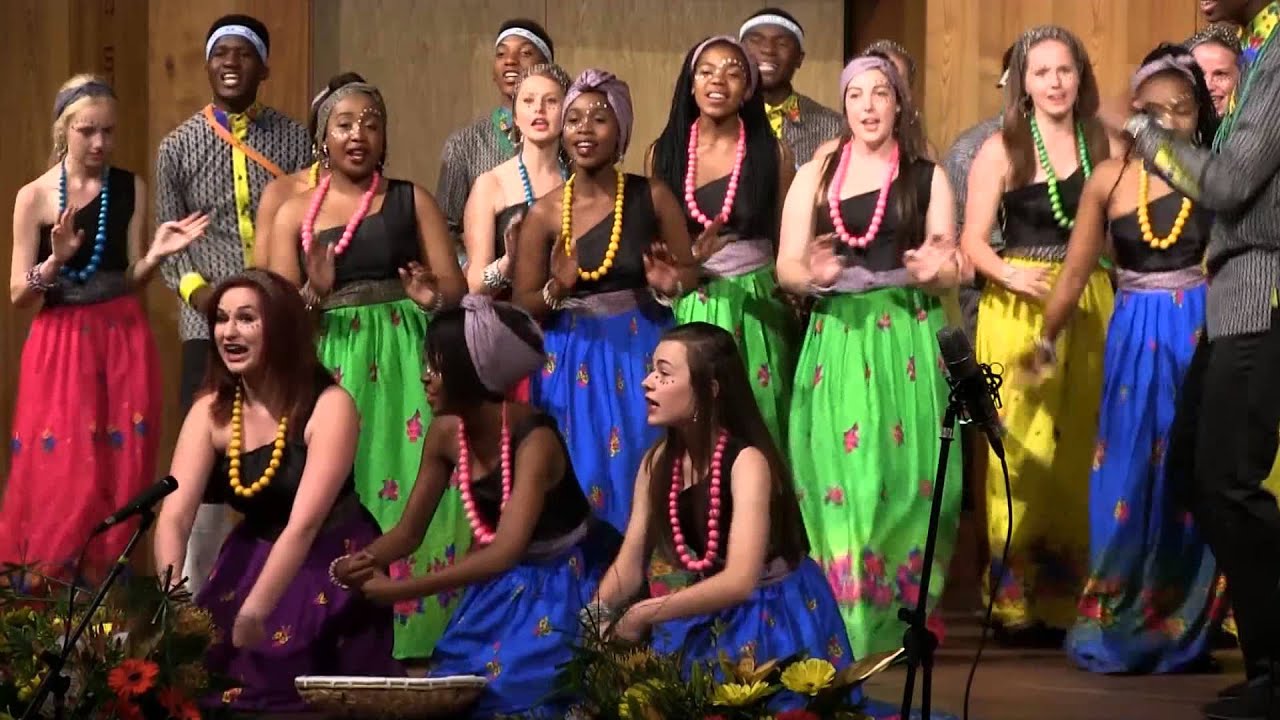
South Africa's musical landscape is incredibly diverse, with roots in indigenous African rhythms as well as Western and Indian influences from its colonial past. The country has produced world-famous artists like Ladysmith Black Mambazo and Miriam Makeba while also giving rise to contemporary genres like Kwaito and Gqom music. This cultural output has long been a significant part of South Africa's identity and economic activity.
Facts
In 2021, YouTube hosted PAMOJA: Celebration of African Music and Culture in LA, which featured top South African talent like Soweto Gospel Choir and Femi Kuti alongside artists from Nigeria, Kenya, Ghana, Zimbabwe. The event aimed to boost African music's global profile and exposure. Social media metrics show that videos tagged with 'South African dance' have received hundreds of millions of views worldwide since 2020.
Human Impact
For South African musicians, this social media-driven virality has opened doors to unexpected audiences and revenue streams. Many have used platforms like Instagram to directly engage with fans worldwide. However, there are concerns that this fame comes without fair remuneration for the artists as music is often shared without permission or proper licensing.
Analysis
This social media-driven music export boom reflects larger trends of African cultural products going global. Yet, it also highlights ongoing challenges around intellectual property rights and fair compensation for artists, which disproportionately affect those in developing nations. South Africa's music industry needs to find ways to equitably monetize this newfound international interest or risk losing out on potential revenue.
Counterpoints
Some in the South African music industry argue that focusing on social media virality and international exposure misses the point of their work. They say these global trends should not distract from the greater importance of uplifting local communities through music education, job creation and cultural preservation for future generations.
What Happens Next
South African artists can expect to continue seeing their music spread globally through social media. However, they may also face increasing pressure over intellectual property rights and fair compensation issues. One key development to watch will be whether new licensing agreements or revenue sharing models emerge that fairly compensate creators while also benefiting platforms.
Takeaway
The global viral spread of South African dances and music through social media is an exciting development that showcases Africa's cultural dynamism. For these trends to positively benefit the musicians, governments and industry groups must work together to ensure fair compensation and intellectual property rights.